 19 February 2026
How Digital Tools Are Transforming Smallholder Farming in Zambia
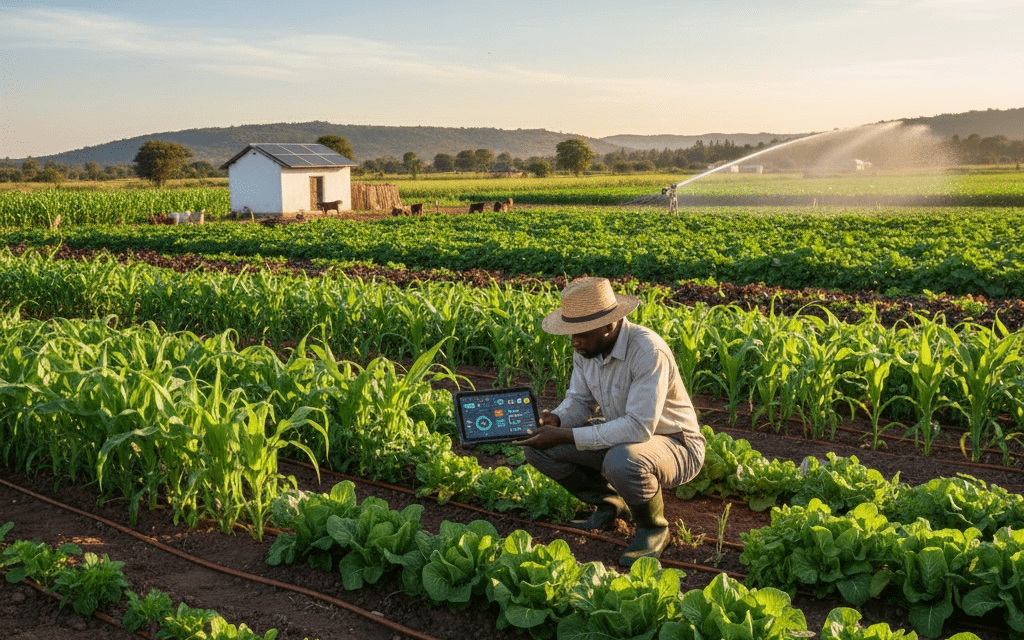
Smallholder farmers form the backbone of Zambia’s agriculture, yet they face many challenges: unpredictable weather, limited access to expert guidance, and difficulties managing crops, livestock, and resources efficiently. Traditionally, advice came through extension officers or community workshops, which are often inconsistent or unavailable in remote areas. Today, digital tools are reshaping this landscape, giving farmers access to professional expertise anytime, anywhere.
Digital advisory platforms allow farmers to receive expert guidance remotely. Through structured consultations, smallholders can plan crop rotations, optimize planting schedules, and monitor soil health without leaving their farms. This shift reduces guesswork and minimizes losses due to poor planning or incorrect practices. Farmers now have access to livestock management guidance, from feeding schedules to breeding advice, and even fish farm consultancy, all delivered through online channels.
Another transformation comes from digital planning tools and templates. Editable farm planning spreadsheets, crop yield calculators, and risk assessment forms enable farmers to make data-driven decisions. These tools help smallholders track expenses, anticipate seasonal changes, and allocate resources effectively. The result is better productivity, reduced costs, and improved sustainability.
Digital tools also support capacity building. Farmers can take short online courses on poultry, fish farming, crop production, and agro-processing. Interactive training sessions provide practical guidance that can be immediately applied. Corporate or NGO clients benefit from tailored digital training sessions designed to enhance staff skills or community project implementation. By learning remotely, farmers save time and access expertise previously out of reach.
Sustainability is another critical advantage. Digital platforms allow farmers to implement eco-friendly and organic farming techniques while monitoring their environmental impact. Whether it’s soil management, pest control, or water conservation, online tools provide actionable insights that promote responsible farming practices. This combination of digital advisory and monitoring ensures farms are productive, resilient, and environmentally sustainable.
The impact of these digital solutions is significant. Smallholder farmers report higher yields, better resource utilization, and more confidence in their operations. Community projects and emerging agribusinesses are able to plan with precision, secure funding through well-prepared project documentation, and manage risks effectively. By integrating digital tools into daily operations, Zambia’s agricultural sector becomes more robust and competitive.
Malumbo Initiatives has been at the forefront of this digital transformation. By providing structured advisory, training, and practical tools online, the company empowers smallholders, NGOs, and agribusinesses to adopt modern farming techniques efficiently. Their services are designed to be accessible, professional, and tailored to local conditions, bridging the gap between traditional practices and innovative digital solutions.
As technology continues to evolve, the role of digital tools in agriculture will only grow. For smallholder farmers in Zambia, this means more opportunities to increase productivity, adopt sustainable practices, and improve livelihoods. Digital advisory and planning platforms are no longer optional—they are essential for anyone looking to farm intelligently in a rapidly changing world.